
 By The Metro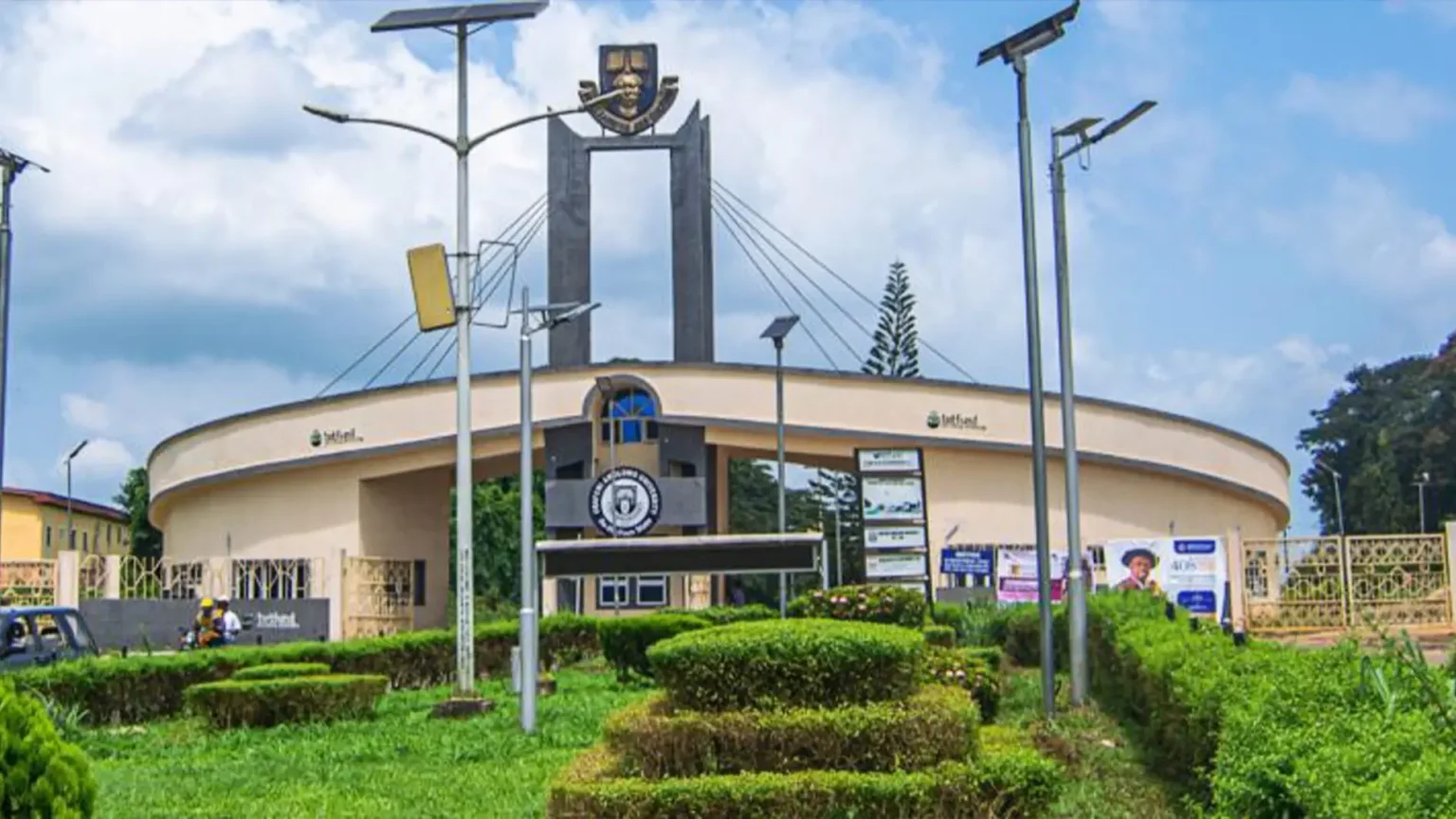
Students of Obafemi Awolowo University, Ile-Ife, Osun State, protested yesterday over alleged difficulties in transporting themselves to and from the campus, blaming the university management for poorly managing the campus transportation system.
According to them, the inadequate and poorly implemented campus transportation system, linked to vehicles donated by the First Lady of Nigeria has thrown students into a needless crisis in attending lectures and engaging in other academic activities in the school.
In protest, the student leadership declared a 72-hour lecture boycott.
The boycott, scheduled to run from Tuesday, April 14 to Thursday, April 16, 2026, was announced in a resolution of the Students’ Union Government following a congress held on April 9 and subsequent joint meetings of its leadership structures.
In the statement co-signed by the SU President, Adelani David, and Secretary-General, Habeeb Oke, the union said the decision followed weeks of mounting frustration over mobility challenges on campus, which had disrupted academic activities and daily student movement.
“The union shall embark on a total 72-hour lecture boycott starting from Tuesday, April 14, 2026, to Thursday, April 16, 2026. All academic activities are to be boycotted throughout this period,” the statement read.
The students said the new transportation arrangement had worsened commuting conditions across campus, citing insufficient vehicles, overcrowding, long waiting times, and inadequate route coverage.
According to the union, the situation has been particularly difficult for students living in off-campus areas, who now rely on limited and expensive alternatives outside university control.
They added that repeated engagements with the university management had not produced immediate relief, despite assurances that the system was undergoing a “teething phase.”
Among their demands are the provision of more vehicles to serve the over 35,000 students on campus, reinstatement of the previous transport arrangement pending improvement, and full consultation with student leaders before further policy changes.
The union also called for a more inclusive and hybrid transport model that reflects the realities of student movement across campus and adjoining communities.
It warned that if its concerns are not addressed within the 72-hour window, it may escalate its action to a broader protest.
“The leadership shall review the situation at the end of the 72-hour boycott. Further actions such as a possible mass protest/march shall be considered if the management fails to address the demands satisfactorily within this period,” it said.
The development follows the donation of 80 compressed natural gas buses and tricycles to the university by the First Lady of Nigeria, Oluremi Tinubu, aimed at improving campus transportation and easing mobility challenges for students and staff.
The university management subsequently restricted intra-campus movement to the donated vehicles, a move initially welcomed as a modernisation effort but which students say has created unintended operational challenges.
In an earlier statement, the Students’ Union acknowledged the intervention but said implementation gaps had led to long queues, delays, and insufficient fleet availability, especially during peak hours.
The union also raised concerns about the exclusion of commercial transport operators previously serving parts of the campus, saying this had further reduced mobility options.
During engagements with management, authorities reportedly described the current phase as a transitional “teething period” and assured that additional buses would be introduced within months to improve efficiency.
Despite these assurances, students insist that conditions remain difficult, prompting the decision to embark on the boycott as a pressure measure.
One of the protesters said, “OAU transport system was near perfect, with adequate buses and bikes. We rarely experienced queues until the First Lady came and decided she didn’t like the ease of transportation and introduced ‘change’ by donating CNG buses.
The school management in turn banned all motorcycles and commercial buses on campus and subjected over 30,000 students to just about 50 buses and a few tricycles. OAU has one of the largest land masses of any Nigerian university, yet students are now stranded daily.
This Monday morning, students are supposed to rush for class, but they are stuck at the campus gate because of the inefficiency of the CNG buses. Students are struggling to go to class in the morning and in the evenings to even get back to their hostels.
Students staying off campus now spend almost double to get to campus, as all alternative transport means have been removed.
The management has cars to bypass all of this, but the majority of students do not. Yet they released statements talking about how the buses will “ease transportation” and even implied students appreciate the system. Meanwhile, students are trekking, missing classes, and spending hours in queues.
Let it be clear that students do not appreciate this system. It has made our lives harder, not better. What used to be a smooth system has now become a daily struggle.
There are many pressing issues in this school, but they chose to dismantle a working transport system and replace it with hardship.
We can no longer remain silent. Let the whole world know what OAU students are going through. We demand our towngboro buses and motorcycles back.”
When contacted, the Public Relations Officer of the university, Abiodun Olarewaju, did not pick up the telephone.
The Guardian