
 By The Metro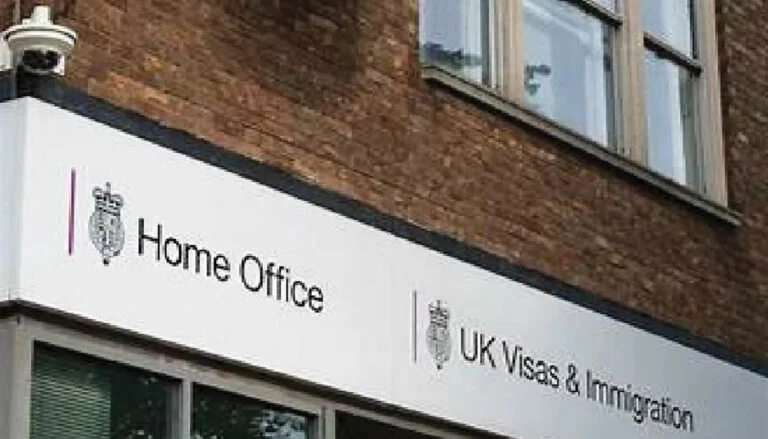
The British government has announced a significant tightening of its immigration rules, halting study visas for nationals of Afghanistan, Cameroon, Myanmar, and Sudan. Officials say the move is a direct response to a surge in asylum applications from individuals who initially entered the country legally through student routes.
According to the Home Office, asylum claims from these four countries have risen sharply in recent years. Afghan nationals accounted for the highest proportion, with nearly all study visa holders eventually seeking asylum. This trend, ministers argue, undermines the integrity of the visa system and places additional strain on public resources.
The suspension also extends to skilled worker visas for Afghan citizens, reflecting broader concerns about misuse of legal entry channels. At the same time, the government has introduced an “emergency brake” mechanism, allowing swift restrictions on visa categories when asylum claims from a particular country reach unsustainable levels.
Financial pressures are a major factor behind the reforms. The UK currently spends more than £4 billion annually on asylum support, including housing thousands of applicants in hotels and temporary facilities. Officials insist that while Britain remains committed to offering refuge to those fleeing war and persecution, it must ensure that humanitarian protection is not exploited as a backdoor route into the country.
Another notable change is the reduction of refugee status duration from five years to 30 months. This shorter period aligns the UK more closely with tougher European models and is intended to encourage regular reviews of individual circumstances rather than granting long‑term settlement by default.
Critics, however, warn that the measures could disproportionately affect genuine students and professionals who contribute positively to British society. Human rights groups argue that blanket restrictions risk stigmatizing entire nationalities instead of addressing individual cases. Universities, too, have expressed concern that the policy may limit diversity and weaken academic ties with countries in crisis.
Despite these objections, ministers maintain that the reforms are necessary to restore public confidence in the immigration system. They emphasize that Britain’s tradition of offering sanctuary will continue, but within a framework that balances compassion with control.